
Two decades of experience. A steady hand for families.
Kidsfirst Learning Center in Parma Heights is led by Nora, who brings over 20 years of experience in education.
How we see children
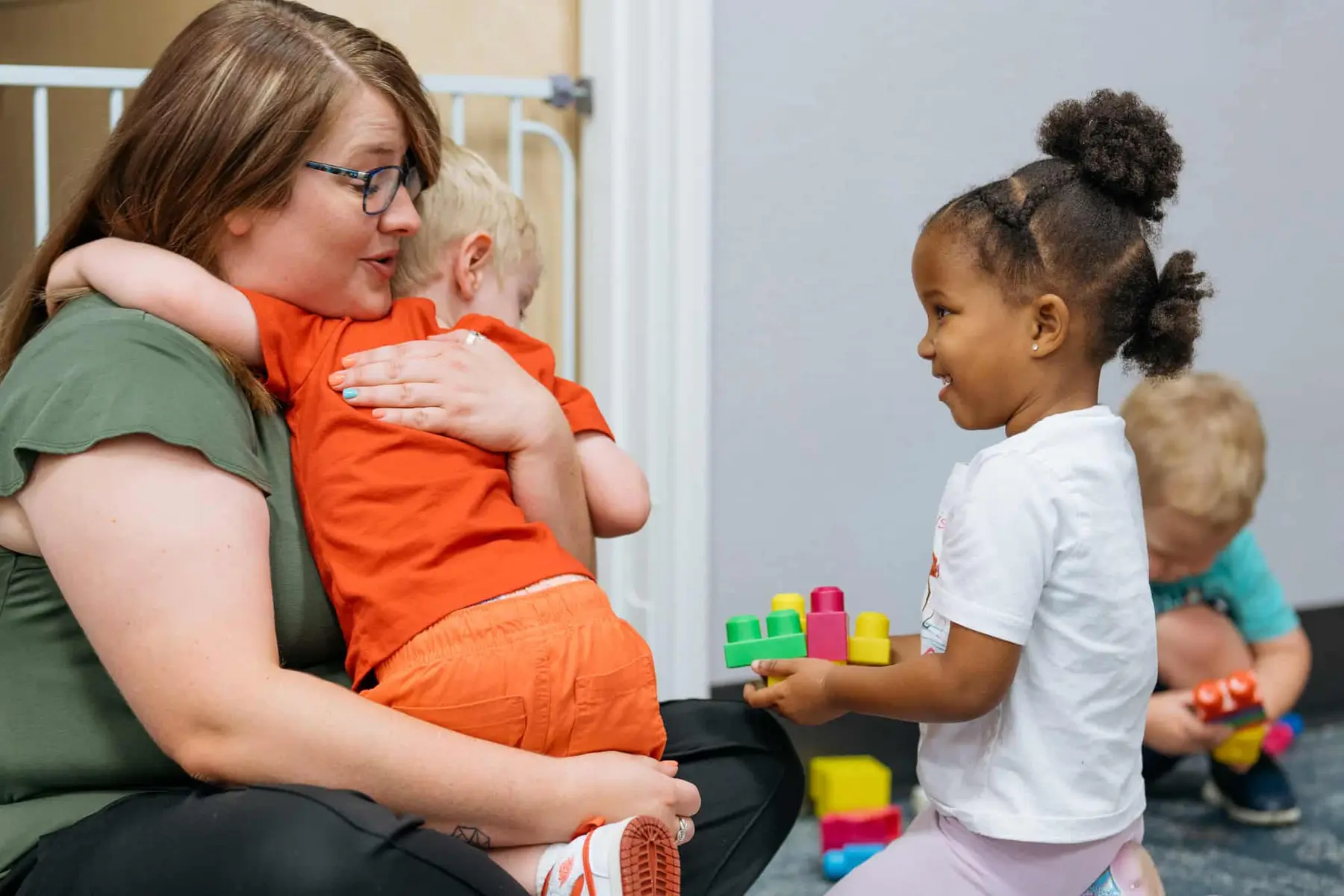
Children are at the center of every decision here. Nora began her career in classrooms and Out of School Time programs, working directly with children before moving into grant and program support in private schools. That time shaped a view of children as capable and whole. The work is to support teachers and families so that children feel steady and known.
In the rooms, that shows up in small groups, in teachers at eye level, and in materials children can reach and choose on their own. A teacher notices what a child is working on and stays close without taking over. Routines are predictable but not rigid, so there is room for a longer block of play when it is going well. Families hear the small things at pickup, not just the big milestones.
Nora served as a board president and as an advisory member for Quality Rating and Improvement System (QRIS) and state scholarship committees. She has supported acquisitions by providing multi-school support for new schools and centers. She is passionate about managing change and fostering strong relationships to benefit families and children. Families who want to know more about how those standards show up day to day can ask.
What you notice in practice
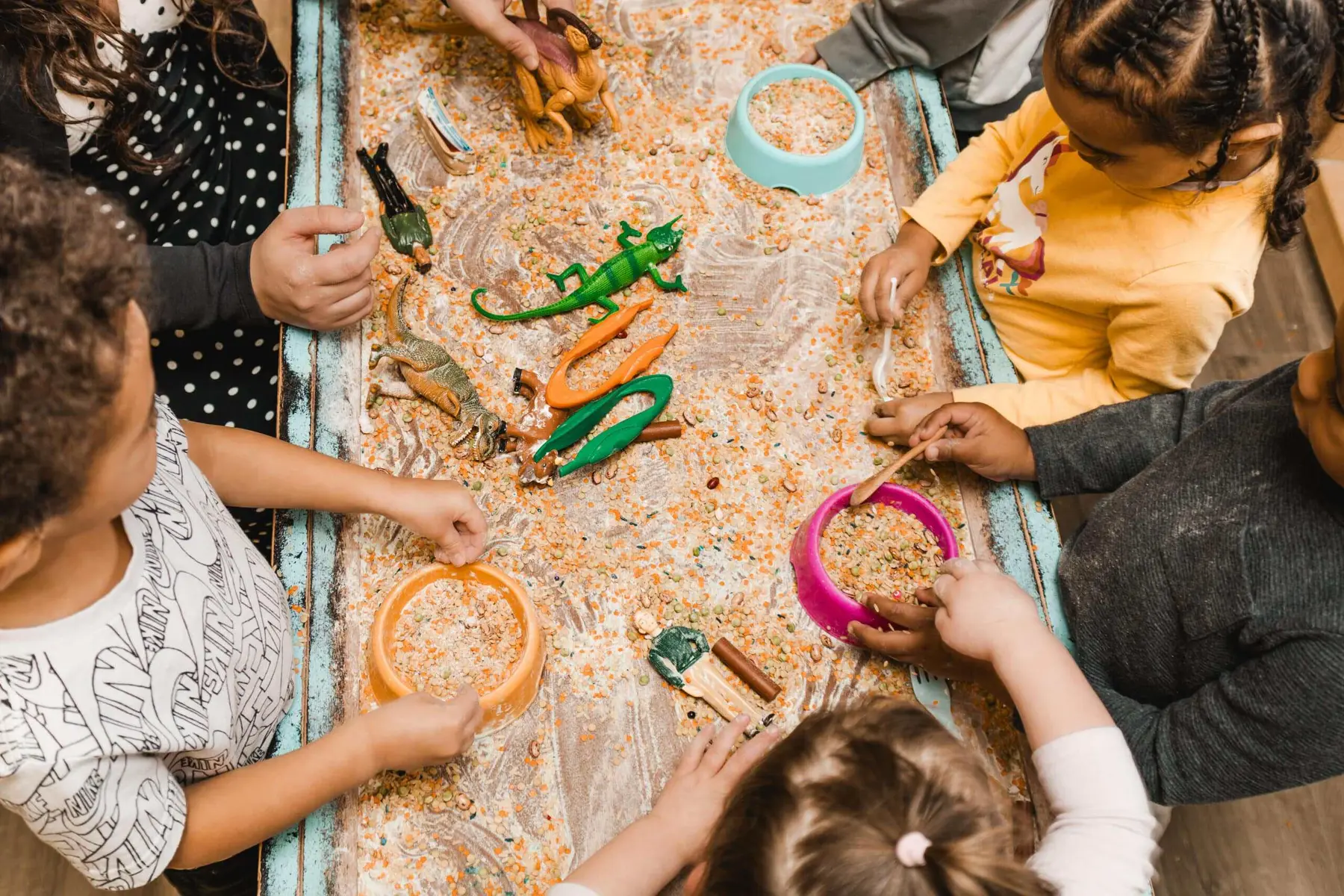
Teachers kneel or sit so their eyes meet a child's. They follow what a child is interested in and build from there, rather than pulling everyone to the same task. Small groups mean a quieter room and more turns for each child. When a child is upset, a teacher stays close and names what is happening.
Rooms are set up so children can choose: low shelves, a spot for blocks, a place for books, and open floor space. The day moves between active and quiet, with outdoor time and meals as anchors. Transitions are eased with warning and a song or a countdown. The pace leaves room to finish what a child has started.
How we work with families
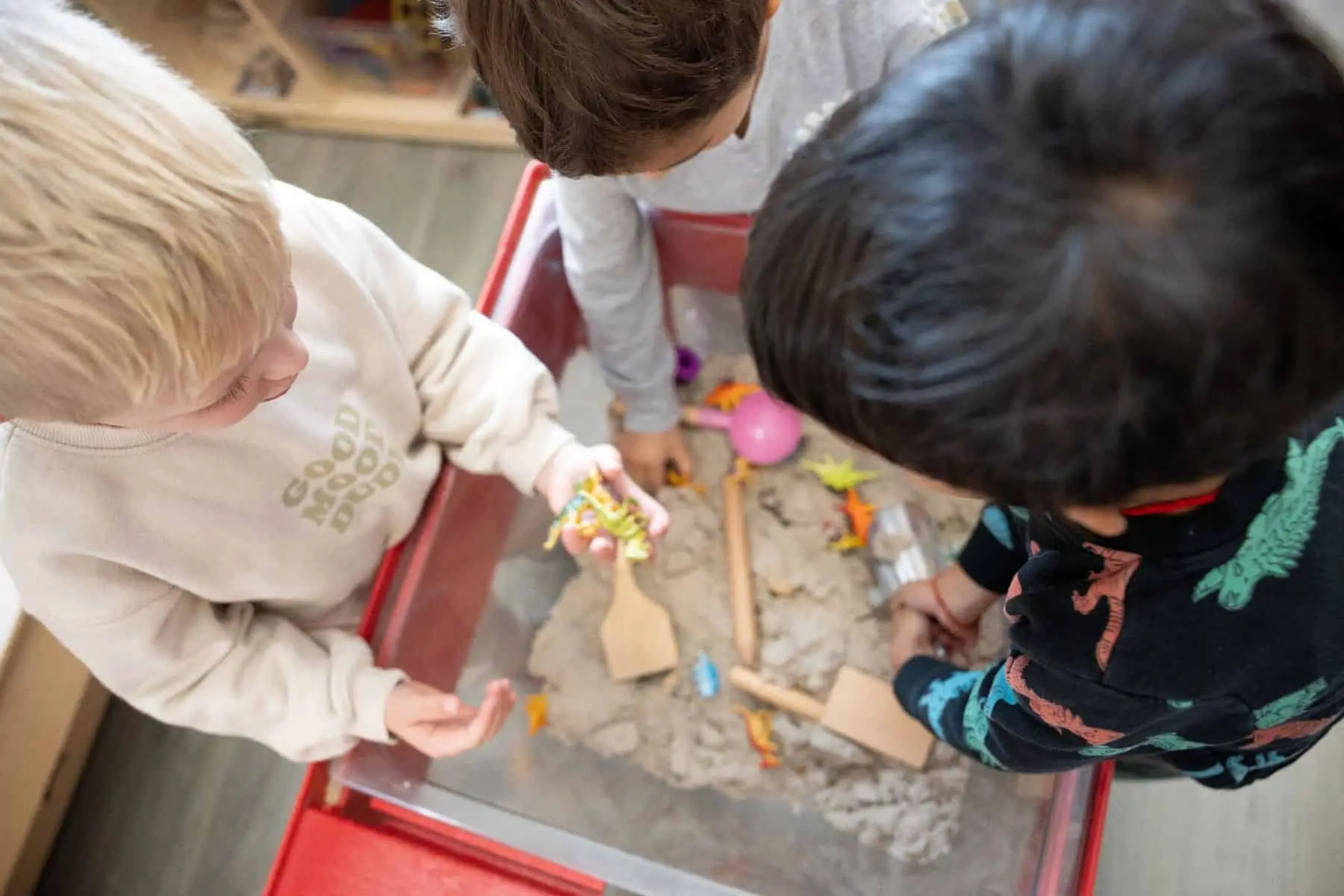
Pickup is a conversation, not a handoff. A teacher might mention that a child tried a new food or built something tall and knocked it down, or that a friend was missed. If a question comes up at the door, it gets an answer then or a note back later that day. Directors and teachers are part of the same small community, so parents are not routed through layers.
New children settle in at their own pace. The first days are often shorter, with a parent close by if that helps, and a teacher who stays with the same child through the transition. Families can ask what the first week will look like for their child. Teachers watch for how a child joins in, and they share that with parents. The goal is steady trust, not a fast goodbye.